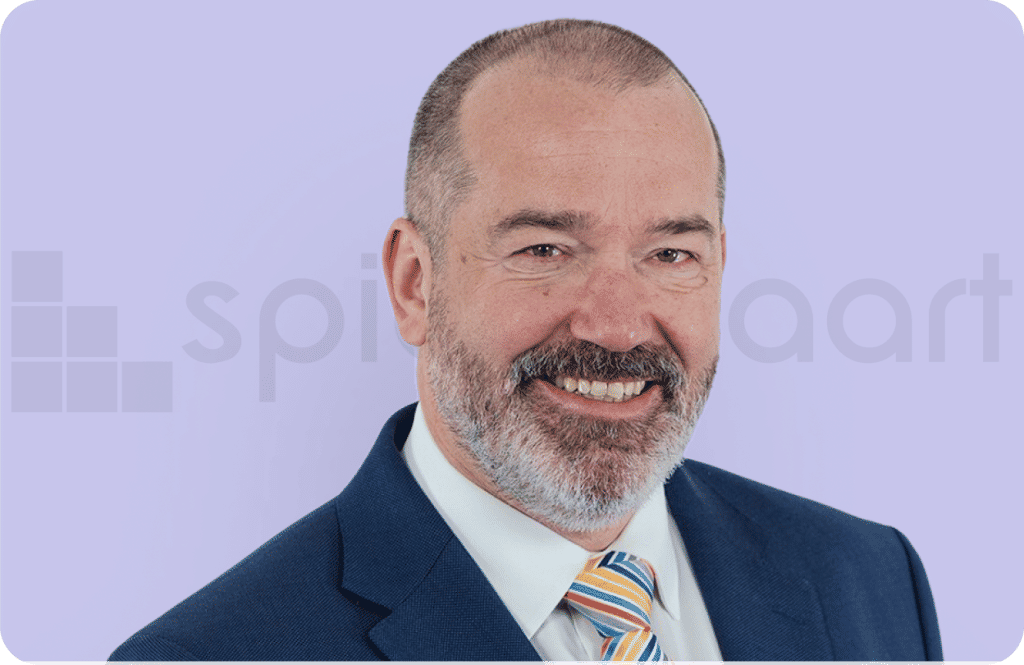
I approach software through the people who depend on it: what they are trying to achieve, where they hesitate, and what earns their trust. Listening carefully helps me turn an unclear request into a shared understanding of the problem.
I value calm communication, honest trade-offs, and steady progress, especially when requirements change. Technical decisions should make life easier for users and for the engineers who maintain the product. I favor clear boundaries, observable behavior, and tests that protect meaningful outcomes. With AI, I pay attention to uncertainty: how answers are grounded, how failures are surfaced, and when a person should remain in control. I enjoy connecting product thinking with implementation, asking useful questions before committing to complexity. As a teammate, I share context, explain decisions, and make room for different perspectives. My aim is to leave behind software people can rely on and a team that understands how to move it forward.
I see good collaboration as a practical engineering skill. People need to feel comfortable raising concerns, challenging assumptions, and admitting what is still unknown. I try to create that space through patient listening and specific feedback. When choosing an approach, I weigh delivery speed against reliability, security, and the cost of future change. I prefer small, testable steps that let a team learn quickly. A useful product should reduce friction rather than ask people to adapt to unnecessary complexity. That principle guides how I design interfaces, structure services, and evaluate the role of AI.


.png "Home 66")

.png "Home 69")
.png "Home 71")